
概要:为学龄儿童接种具有经随机试验证实的群体保护效应。学校集中接种是成本最低的组织方式,而「免费」是提升接种率最有效的单一杠杆。该策略的经济性应表述为「具成本效果」而非「节省开支」。我国疫苗产能充裕、政策工具成熟,当前主要制约在需求侧的组织与激励,而非供给端与科学证据。
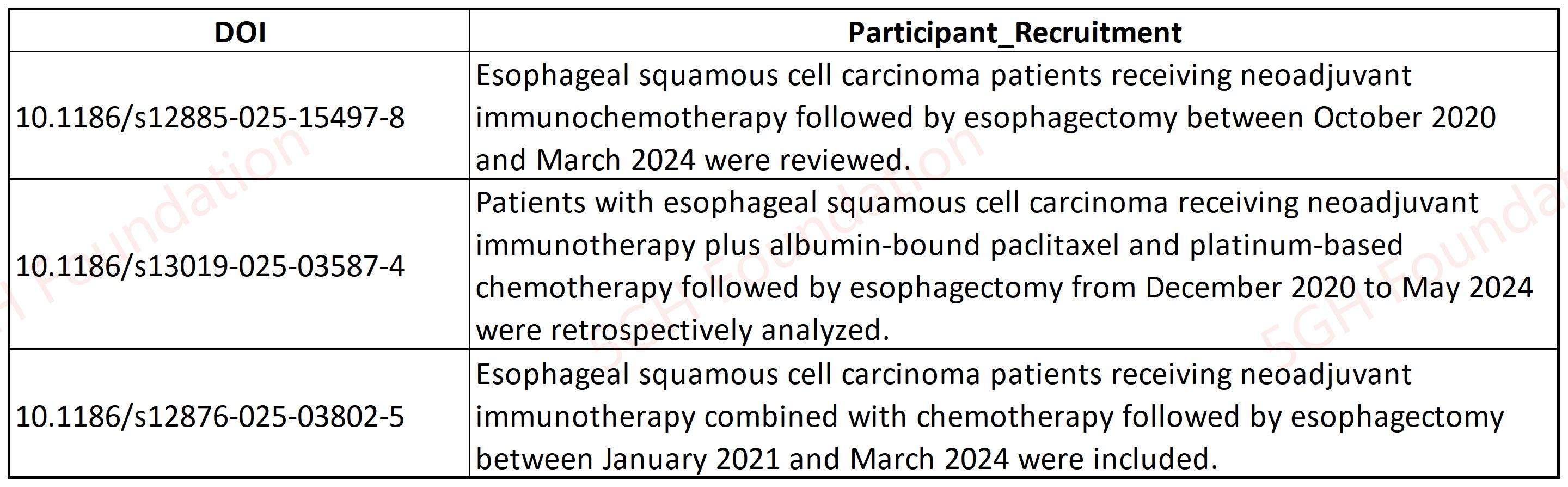
A same ethical approval number (XMYY-2024KYSB090) in three articles [1, 2, 3] coauthored by YE Guanzhi (叶冠志) et. al., with The First Affiliated Hospital of Xiamen University. However, This ethical approval is questionable.
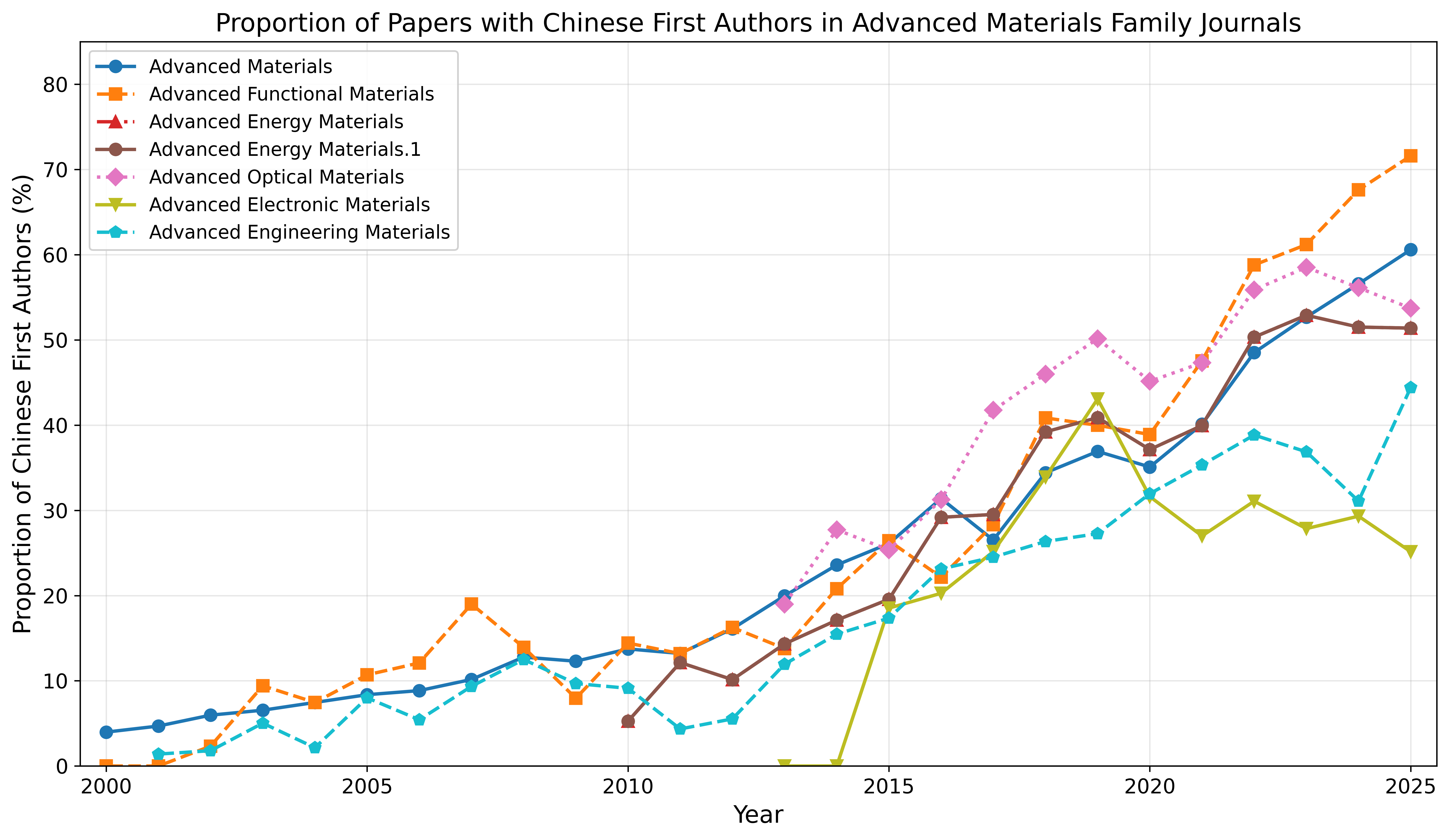
Our investigation reveals that Chinese authors are over represented in Advanced Materials family. In 2025, about 61% published in Advanced Materials have a Chinese first author. The number reaches 71.6% in Advanced Functional Materials.
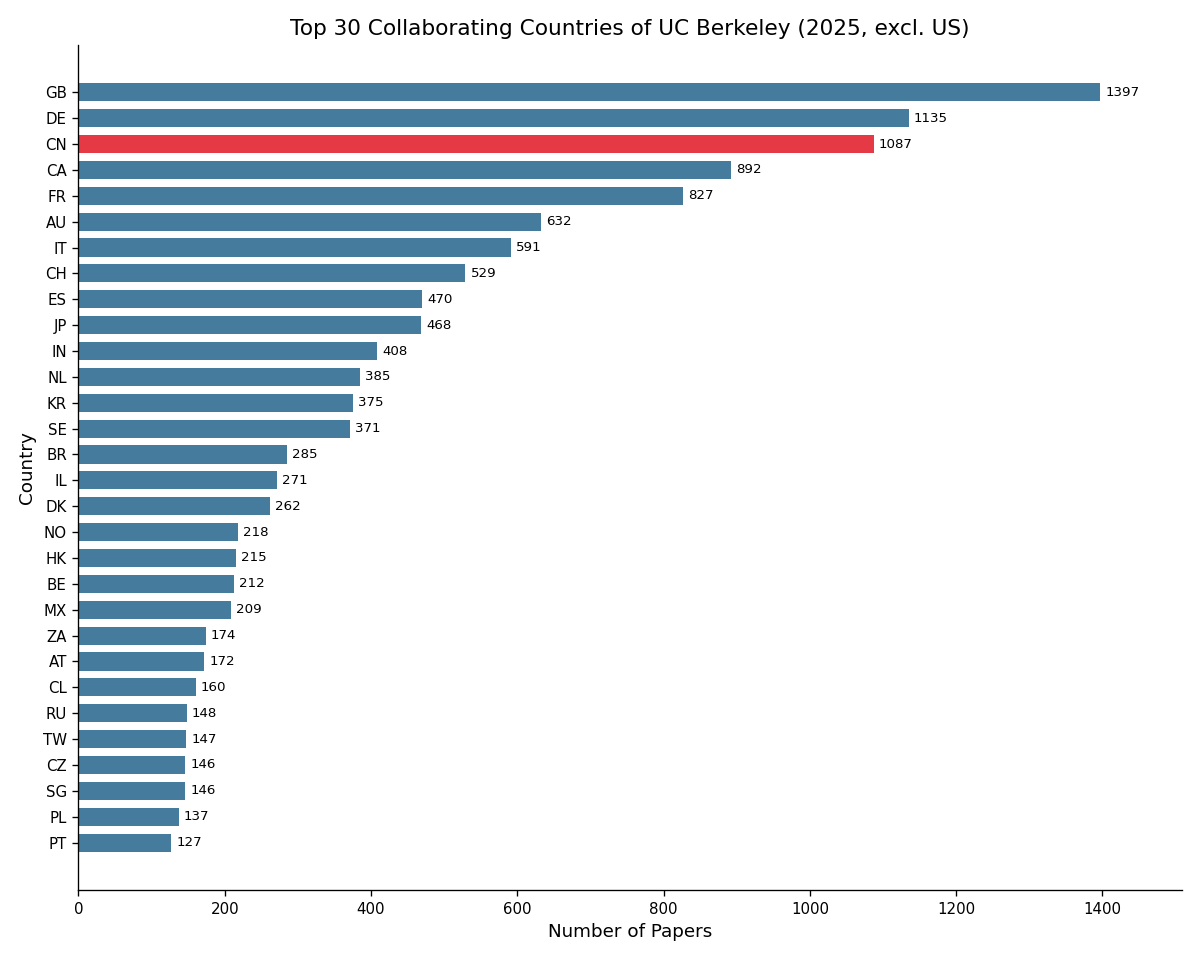
An investigation by the 5GH Team found that China ranks among the top collaborating countries for U.S. universities.
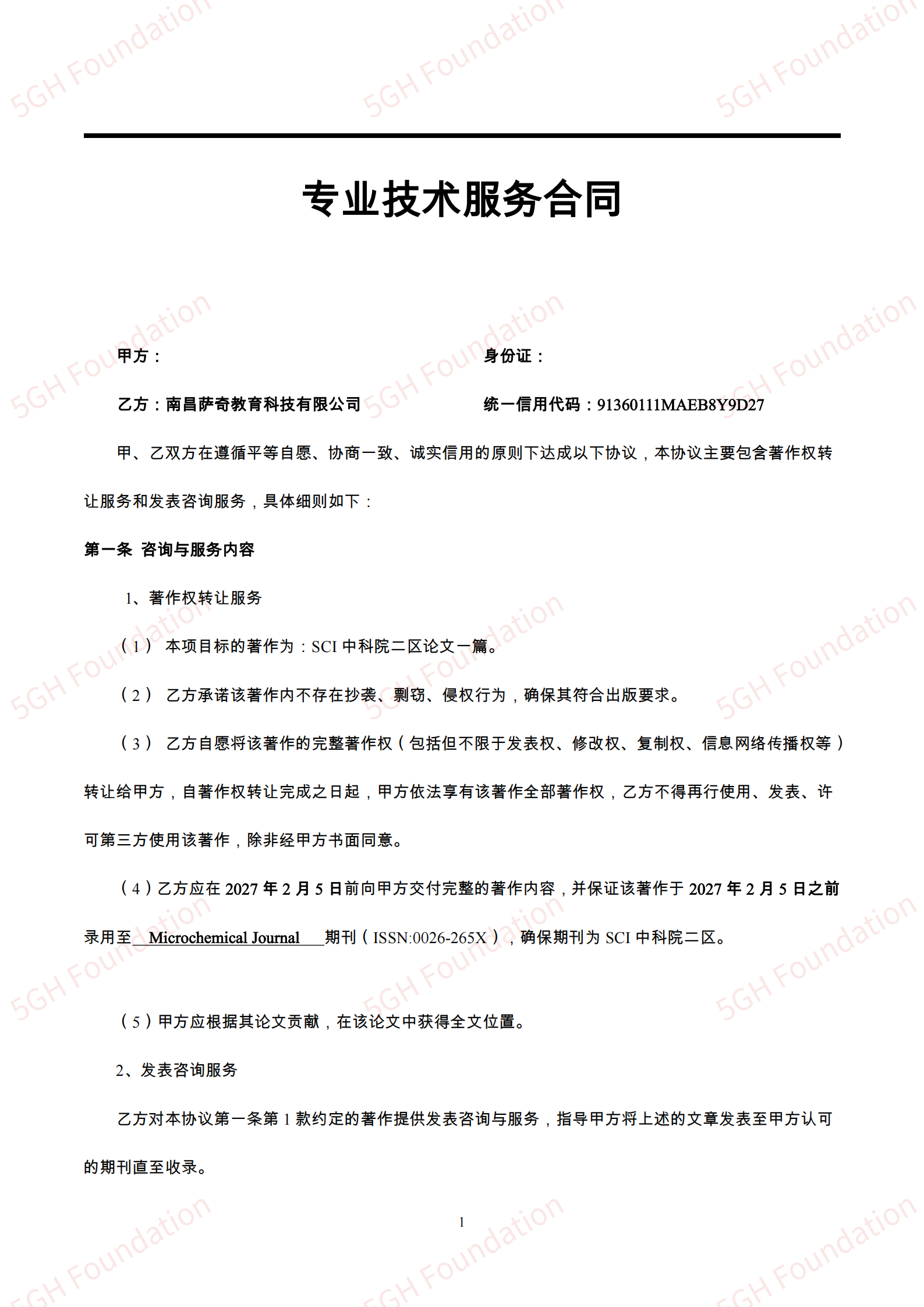
Recently, an investigation by the 5GH Team has revealed that several companies in Nanchang are suspected of selling academic papers. These companies attract customers on RedNote (a.k.a. Xiaohongshu), a well-known Chinese social media platform, through advertisements for "journal recommendations" or by posing as past clients sharing their experiences. Ultimately, under the guise of professional technical services such as copyright transfer services, the companies provide ghostwriting services to clients, in suspected trading of academic papers.
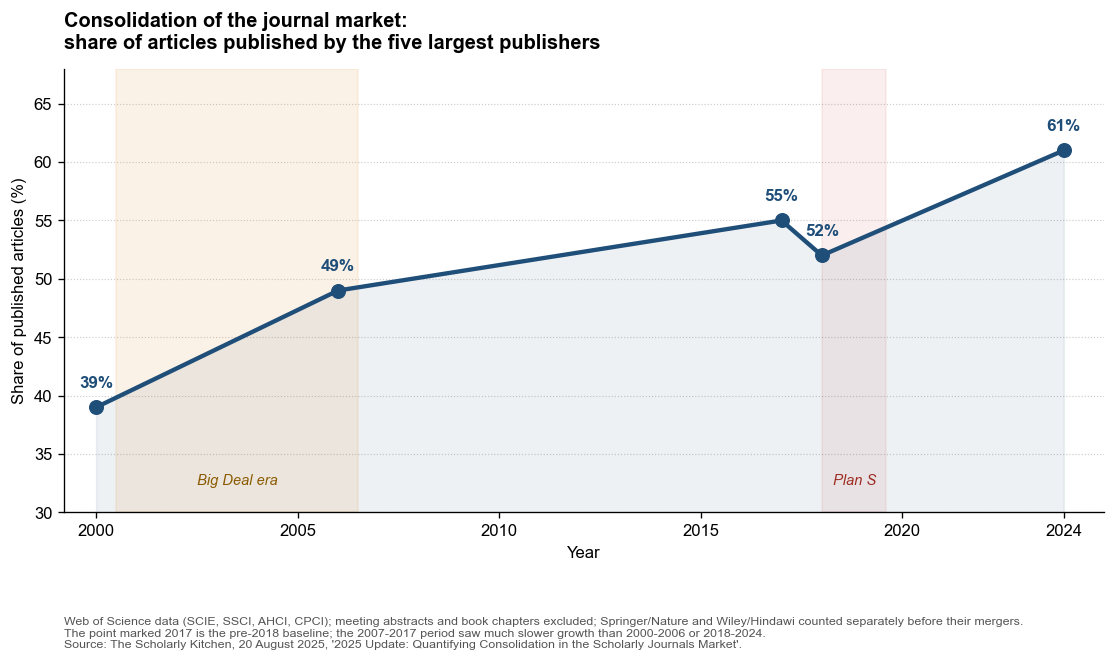
As China seeks to secure a more important position in the global publishing industry, what direction the international academic publishing market will take remains to be seen.
Buying papers from paper mills is not an unfamiliar practice in academic community. Even if you and your colleagues have never done it, you have probably heard of such things. So how much does it actually cost to buy a paper from a paper mill? And how many days does it take to receive a finished manuscript?
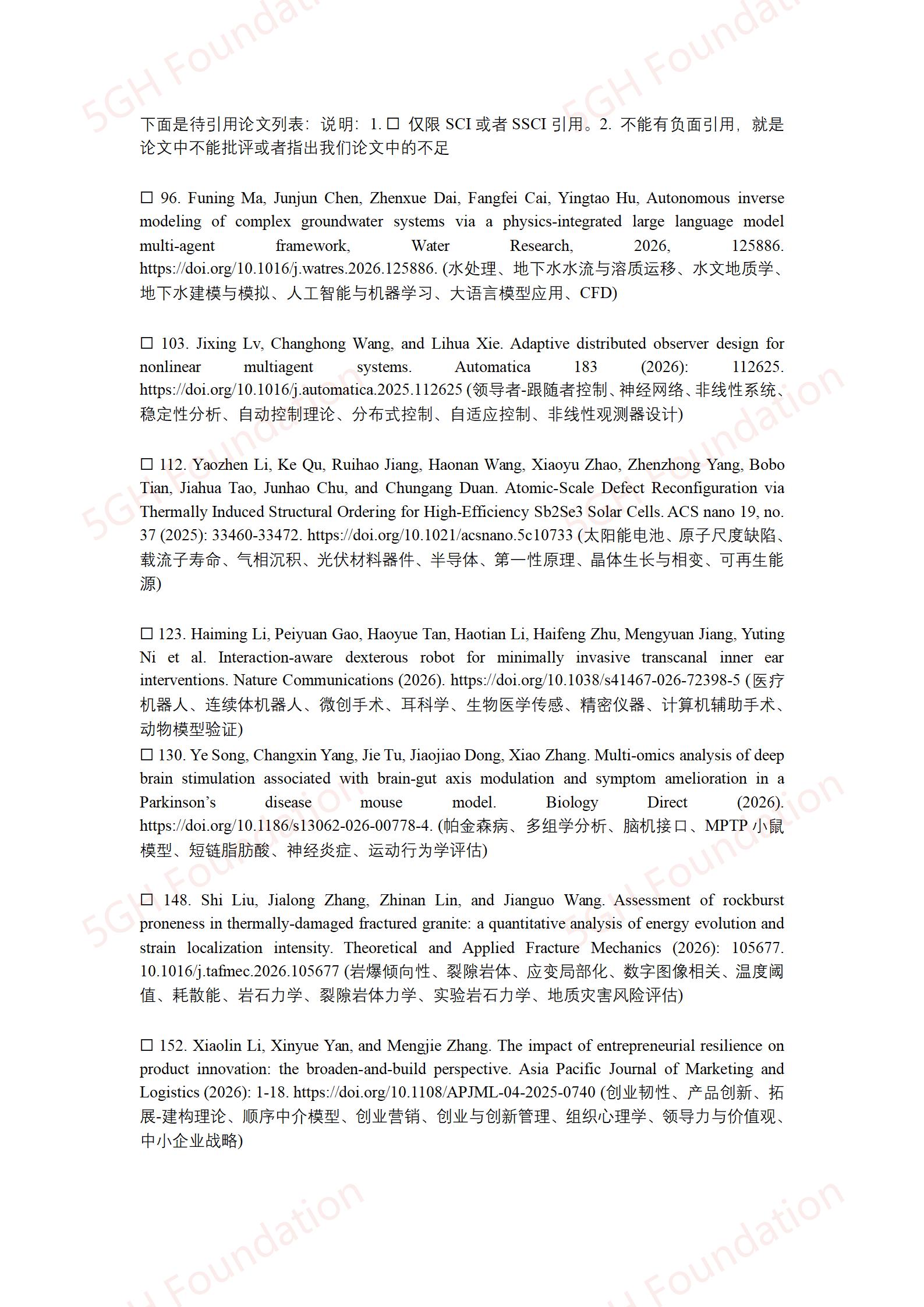
Recently, the 5GH Team noticed that some users on RedNote (also known as Xiaohongshu), a popular Chinese social media platform, were looking for authors who had submitted manuscripts to academic journals and asking them to cite their clients' articles.
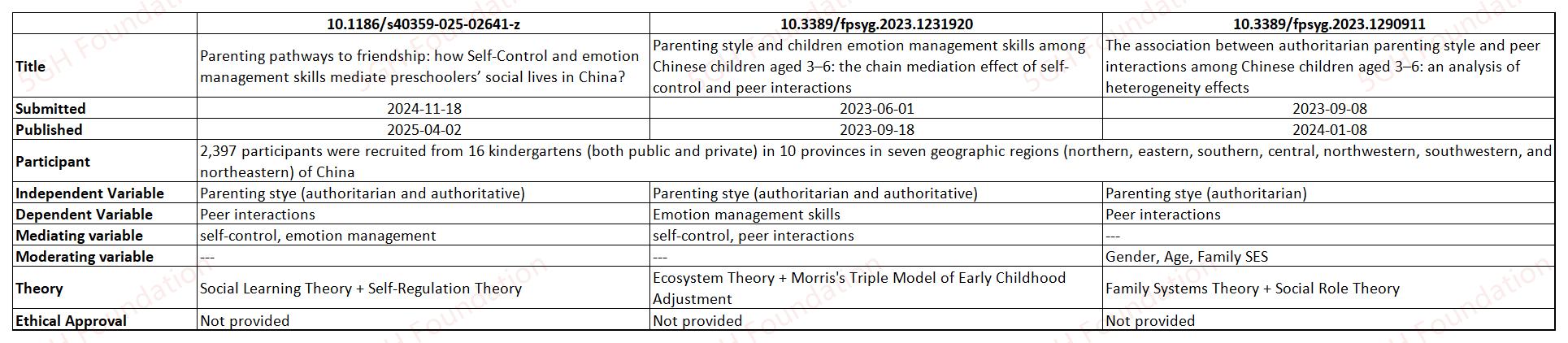
A recent investigation reveals that an author group from Liaoning Normal University with core authors of ZHU Xingchen (朱星辰) exhibits several salami-slicing publication practices.
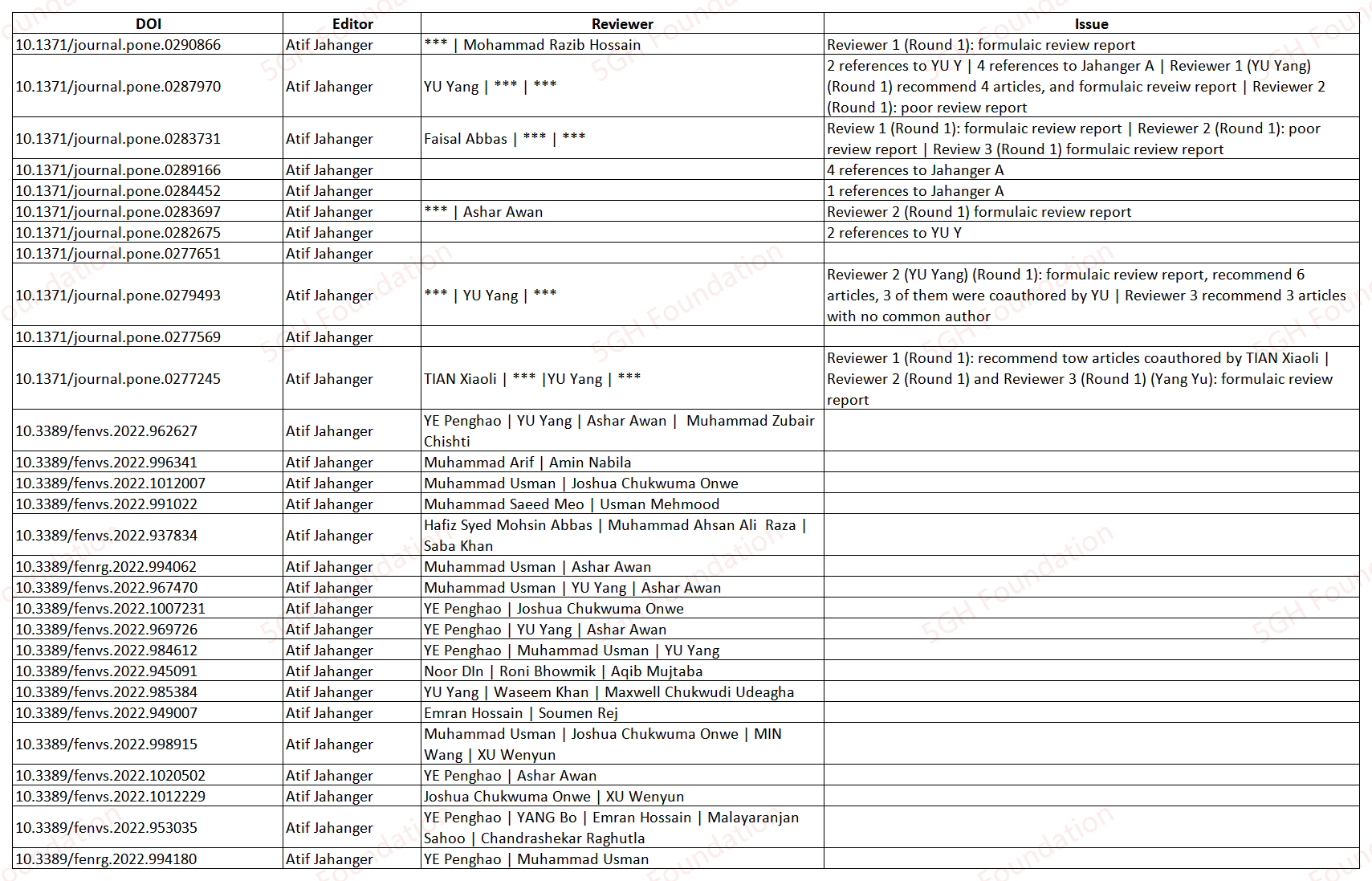
Recently, the 5GH Team uncovered a network at Hainan University and other Chinese universities suspected of manipulating the peer review process.
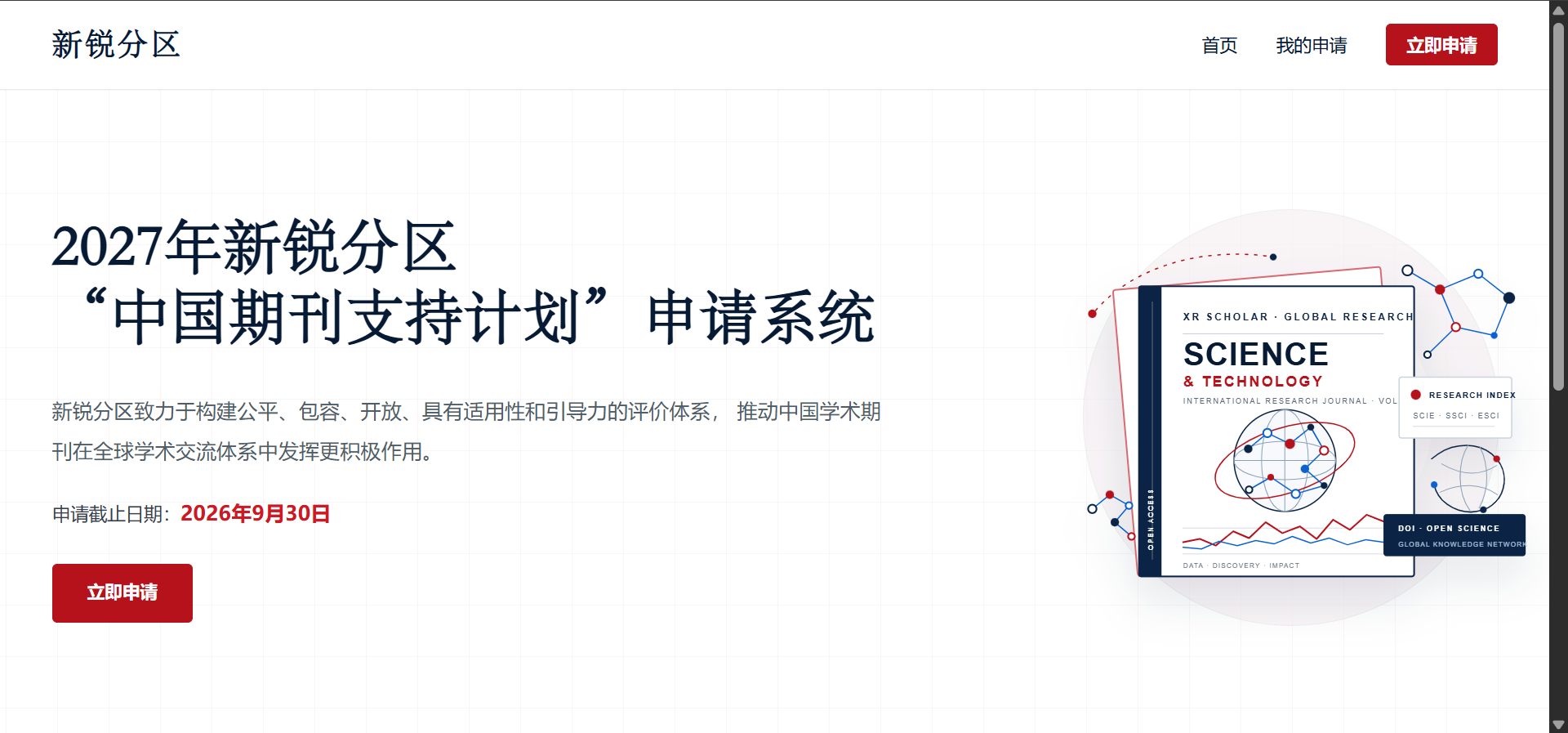
when replying to an enquiry from the 5GH Team, the agency stated that the support mainly involves "分区倾斜" (i.e., a preferential adjustment of the journals’ ranking categories)

Most of the retracted articles were published between 2021 and 2024, when the journal was under the management of the previous Editor-in-Chief, Wang Aijie (王爱杰), of the Harbin Institute of Technology, China.
An article published on PLoS ONE appears to have been accepted without the evaluation of any external reviewer.
Recently, the 5GH Team received a tip-off alleging that Timothy Jeonglyeol LEE (李鼎烈) from the Macau University of Science and Technology may be exploiting his position as the Editor-in-Chief of "The International Journal of Tourism Research" (IJTR) to inflate his citations. Here are some more detailed data
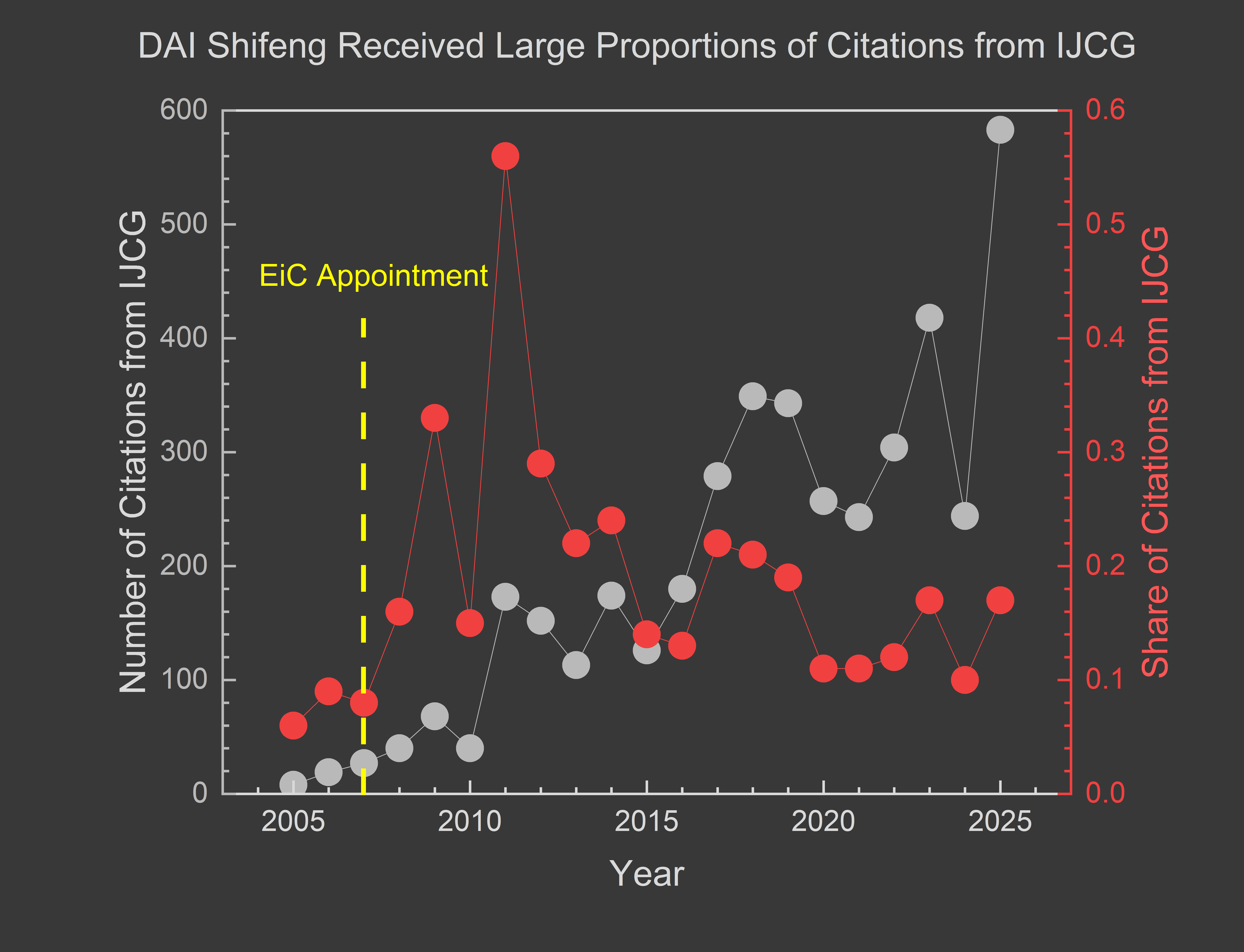
A previous investigation [1] revealed that about 17.5% citations to DAI Shifeng (代世峰) in 2025 came from the "International Journal of Coal Geology" (IJCG), the journal for which he services as the Editor-in-Chief. However, our further investigation shows that the phenomenon was common over the last two decades.